Separate
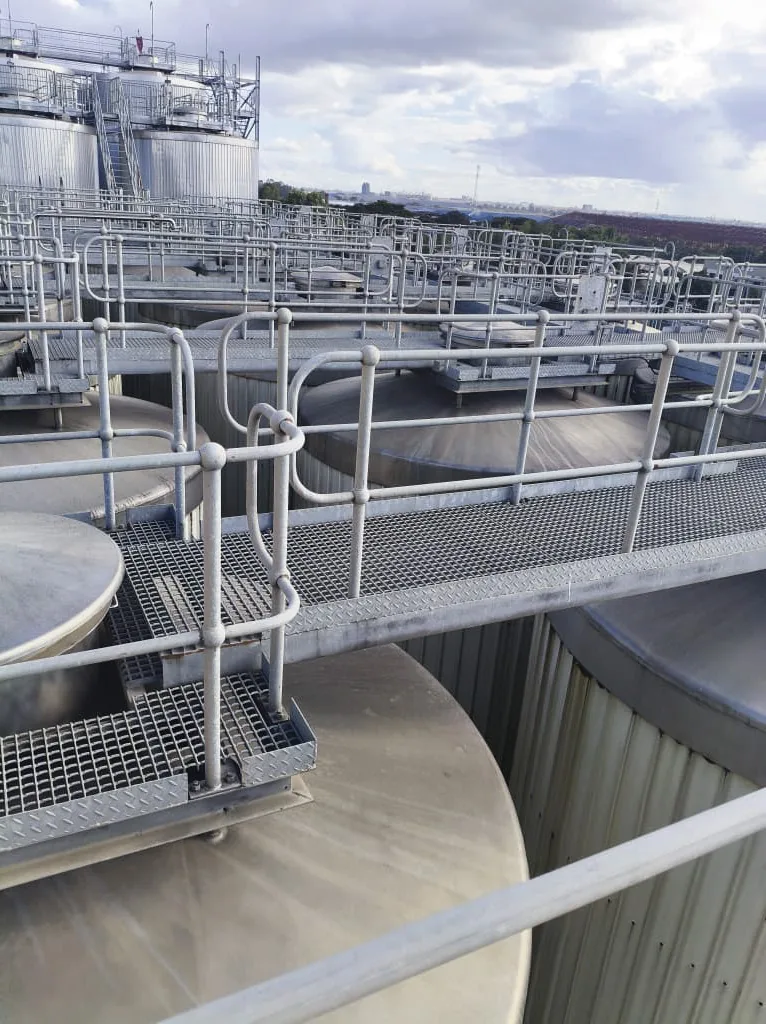
Flocculants, coagulants, clarification and sedimentation.
Flocculants, membranes, cooling and boiler programmes, softening and descaling — organised the way Greenlink's profile organises them: primary, secondary and tertiary.
Greenlink's company profile describes water treatment across three stages, aimed at compliance, efficiency and sustainability. Products are listed by stage. Dose rates, recovery targets and guarantee language are not in the profile, and are not added here.
Flocculants, coagulants, clarification and sedimentation.
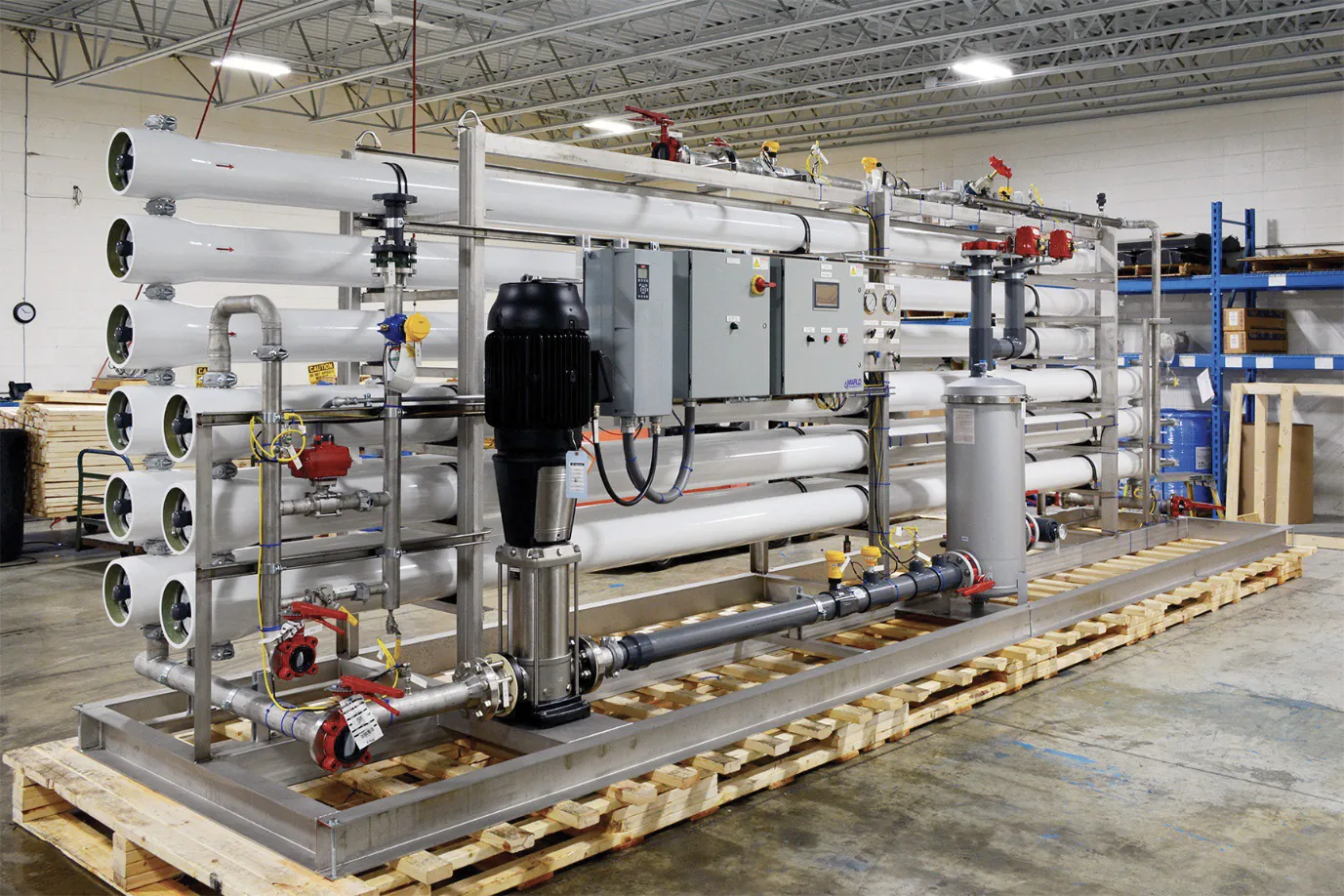
Chlorination, cooling water, membranes, and listed treatment chemicals.
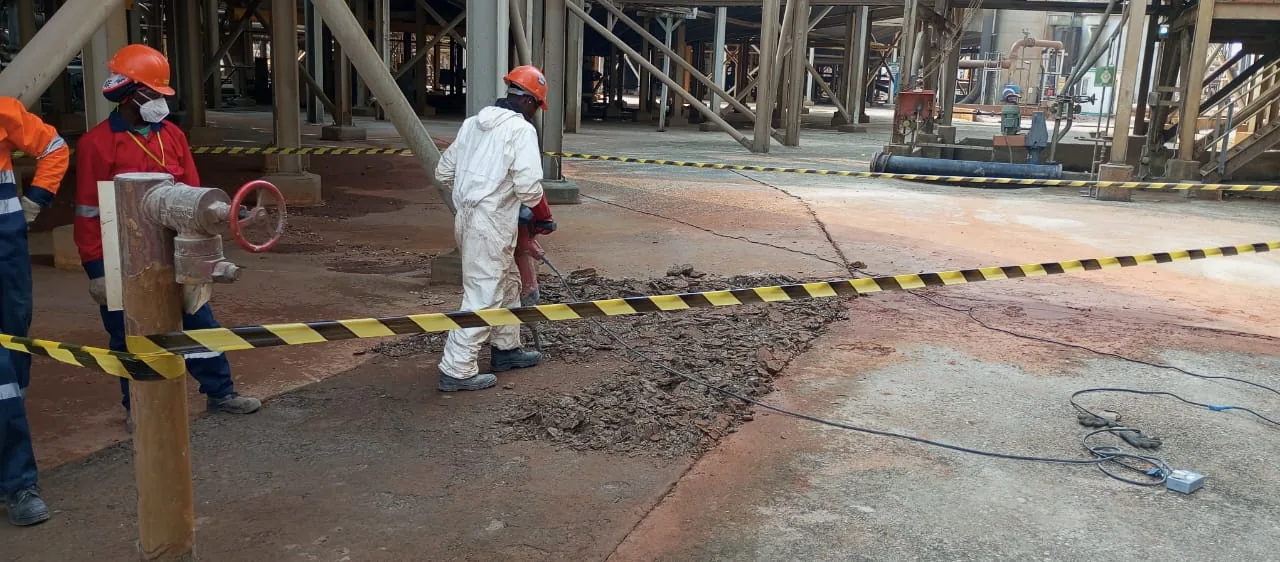
Boiler water, wastewater, demineralization, softening and descaling.
Primary treatment in the profile is clarification and sedimentation, using flocculants and coagulants. The operating problem is suspended material that has to be brought together and settled before later stages can do their work.
The same words — flocculants — also appear in Greenlink's mining range, where they are listed for flotation and solvent extraction. That is a different duty. If the plant is a concentrator rather than a water plant, use mining flocculants and diluents.
The profile lists chlorination systems, cooling tower treatment chemicals, reverse osmosis membranes, potassium permanganate and sodium bicarbonate. Chlorination is the disinfection step named here. Cooling-tower chemicals are for cooling-system water. Reverse osmosis membranes are the membrane-separation item in this stage.
Potassium permanganate and sodium bicarbonate are named, but the profile does not assign each one a separate duty. That assignment is confirmed for the specific water, not inferred on this page.
Cooling and process water also sit in the hydropower and energy context, where infrastructure protection may additionally need construction chemicals.
This stage is where the profile places the polishing and problem-correction programmes: boiler water treatment, wastewater treatment, demineralization, mineral control and scaling prevention, water softening, and industrial descalers.
Boiler water and softening address the water that goes into steam and heat equipment. Demineralization and mineral control address dissolved minerals and scale. Industrial descalers are the corrective product when scale is already the problem — including the kind of mineral scale that also appears, in a hygiene context, under kitchen descaling. For food-plant descaling of kettles and bain-maries, see industrial hygiene.
Wastewater treatment is listed as a solution area, not as a permit or discharge guarantee. The required programme depends on the stream.
Technical support is part of the company offer. Start with the water, the equipment and the problem — not with a product code.
Straight answers from Greenlink's published profiles. Where a figure is not stated, it is not guessed.
The company profile organises it as primary, secondary, and tertiary treatment.
Primary treatment lists flocculants, coagulants, and clarification and sedimentation solutions. Secondary treatment lists chlorination systems, cooling tower treatment chemicals, reverse osmosis membranes, potassium permanganate, and sodium bicarbonate. Tertiary treatment lists boiler water treatment, wastewater treatment, demineralization, mineral control and scaling prevention, water softening, and industrial descalers.
No. Treatment duty and operating limits depend on the water and the plant. Those are confirmed through technical support, not from a generic specification.
Share the stream, the equipment and the problem. The technical team can then place the requirement in the right treatment stage.